
 By the Smili Phone team
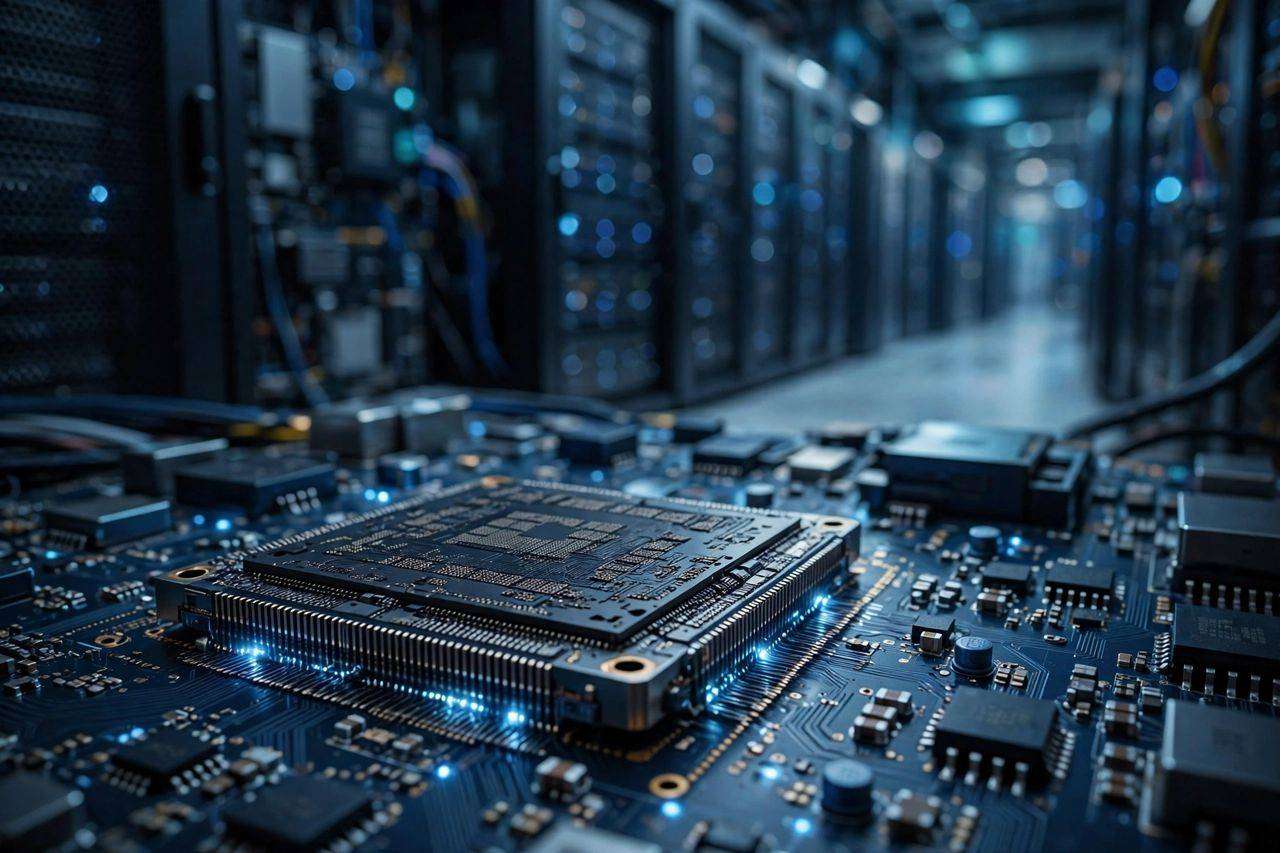
OpenAI reportedly plans to buy AI chips from Google, according to a report from The Information published on October 28, 2026. The news is striking because the two companies compete directly in AI products and search, yet their commercial ties keep getting deeper. Just last week, OpenAI said it would make its frontier AI models available through Google Cloud.
Rivals that keep doing business together
This would not be the first time the two rivals have worked together behind the scenes. Reuters reported in June 2025 that OpenAI had begun renting Google's AI chips, and the new report suggests that relationship may now grow into an outright purchase. Neither company has confirmed the details: the report disclosed no financial terms, Google did not immediately respond to a request for comment, and OpenAI declined to comment.
The pattern is becoming familiar in the AI industry. Companies that compete for users are happy to buy from each other when computing capacity is scarce. Deals with customers, including rival Anthropic, have already fueled demand for Google's chips, and Google's finance chief has said a small share of revenue from those chip sales agreements should start arriving by the end of this year, with the vast majority expected in 2027.
Why Google's chips matter
OpenAI is already one of the largest buyers of Nvidia graphics processors, the chips that train and run most of today's AI models. Google's Tensor Processing Units, known as TPUs, have gained ground as an alternative, with companies looking for cheaper options as AI demand surges. Google began selling TPUs directly to some customers this year, turning what was once an internal tool into a product other companies can buy.
OpenAI is also building its own hardware. In June, it unveiled its first custom AI chip designed with Broadcom, and said it planned to deploy the processor by the end of this year as part of a multi-generation chip program. Buying Google's chips on top of that would give OpenAI another source of computing power while its own chip program ramps up.
What it means for everyday users
For people who use AI tools every day, the chip race mostly shows up as speed and availability. More computing capacity means AI assistants, writing tools, and photo and video features can respond faster and handle more users at once. More competition among chip suppliers could also keep costs in check over time, which matters as AI features move from optional extras to everyday essentials on phones and computers.
There is a flip side worth watching. The biggest tech companies are spending enormous sums on AI infrastructure this year, and investors are starting to ask when that spending will turn into real returns. If the bet pays off, AI features will keep getting faster and more capable. If it does not, the industry could slow down and consolidate around a few big suppliers.
If you are in Escondido and your phone or computer is struggling with the latest AI features, bring it by the shop. We can check whether the slowdown is a tired battery, full storage, or simply an older device, and give you an honest read on what is worth fixing.
Related: OpenAI models come to Google Cloud · Microsoft's Maia 300 AI chip